7 OfferUp scams every user should be wary of
7 OfferUp scams every user should be wary of
Online marketplaces have long been fertile ground for scammers seeking to of their hard-earned money. OfferUp, a notable player in this space, has unfortunately not been spared. This bustling digital bazaar has witnessed its fair share of scams in the recent past, with the nature of these scams becoming increasingly sophisticated by the day.
In this article, shares seven common OfferUp scams and offers practical tips on how to avoid falling victim.
But First: What Is OfferUp and How Does It Work?
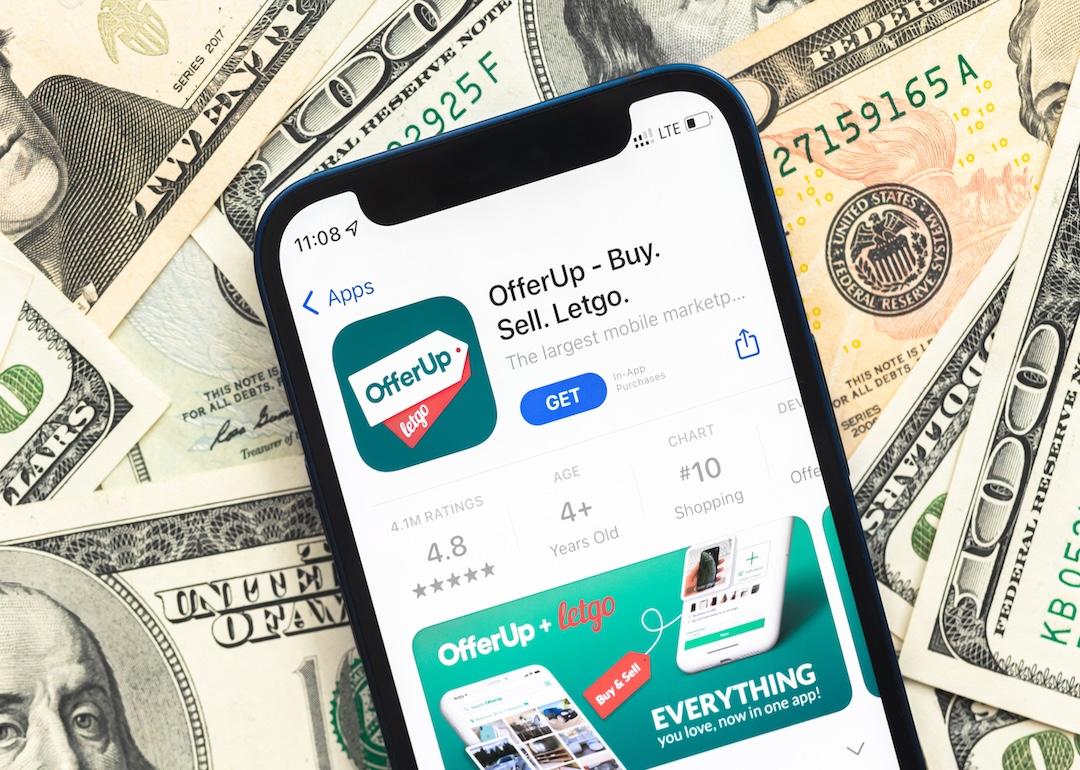
OfferUp is a digital platform that allows individuals to buy and sell secondhand items within their local area. It was founded in 2011 and currently has over . OfferUp operates both as a mobile app and a website. Users can start selling on the platform simply by taking a photo of the item, adding a description, and setting a price. Meanwhile, buyers can browse and search for items they are interested in by location, category, keyword, and other filters. The platform allows the trading of a wide range of items, including furniture, electronics, and even cars.
OfferUp also has a chat feature that facilitates direct communication between buyers and sellers. Most transactions happen in person. However, the platform also supports shipping for certain items. For shipped goods, payment is made through the app, with OfferUp holding the funds until the buyer confirms receipt and satisfaction with the item.
7 Common Offer Scams to Watch Out For
Here are seven common scams to be wary of when using OfferUp.
1. Overpayment Scam
The overpayment scam has been around for a long time, but it鈥檚 one that still catches many people off guard. This scam mainly targets sellers. Here, a seemingly interested buyer contacts you to purchase an item you鈥檝e posted and then sends or gives you a check for an amount that鈥檚 higher than the one agreed upon.
They then concoct some plausible excuse for this mistake and ask you to refund the excess amount. Unfortunately, the check they鈥檝e given or sent is usually counterfeit. By the time your bank flags the fake check, you鈥檝e already sent the refund, leaving you out of pocket.
2. Code Verification Scam
Here, a scammer posing as a buyer or seller will ask for your phone number under the pretext of ensuring a secure transaction. For example, they might claim that they need to send you a code to verify that you are a real person. Unfortunately, the scammer can use the number to send you a malicious link that, when clicked, that steals your data and information.
3. Seller Offering To Pay for Shipping
In this scam, the seller offers to pay for an item鈥檚 shipping fees and then asks to send you an invoice to cover these fees. As part of the scam, they might also suggest using a different platform for shipping. OfferUp doesn鈥檛 set up sellers to operate this way. It calculates and assigns shipping costs for every transaction within the app. You鈥檒l see these costs before you confirm any transaction.
Therefore, any deviation from shipping policy, like invoice requests or suggestions to use an alternative shipping service, should immediately raise suspicion.
4. Seller Asking To Be Paid Outside OfferUp
Another common ruse on OfferUp involves sellers asking to be paid outside the OfferUp app or website. They might suggest using third-party apps like or , wire transfers, certified checks, or electronic gift cards. The seller might offer various reasons for this request, such as avoiding fees, speeding up the transaction process, or claiming they have had issues with the app鈥檚 payment system.
The risk here is that some of these methods are irreversible. What鈥檚 more, once you make a payment outside of OfferUp鈥檚 secure system, you lose the fraud and theft protections the platform provides. In simple terms, if the transaction turns out to be a scam, there鈥檚 a high likelihood you won鈥檛 be able to recover your money.
5. Too-Good-To-Be True Scam
These scams feature items listed at prices that are significantly lower than their actual market value. It might be a high-end electronic product like a new phone, a top-of-the-line speaker system, a designer piece of clothing, or even a car that鈥檚 priced at a fraction of what you would expect. Once you express interest, the seller will insist that you send a payment first before they dispatch it.
In many cases, this item doesn鈥檛 exist, and once you send money, you鈥檒l never hear from the seller again.
6. Fake Profile Scam
This involves the scammer creating fake profiles on OfferUp, which they then use to interact with sellers and buyers. Some of these fake accounts are fairly easy to spot. For instance, a new account with no reviews or feedback, which has multiple listings of the same item or listings and information duplicated from other profiles, is likely fake. Make sure to stay away from such accounts.
If you begin to suspect a profile is fake after you鈥檝e been communicating with a buyer or seller, you could use what information you have about them to try to run a reverse people search to help you confirm they are who they say they are, as well as uncover past criminal information you may want to know about before agreeing to meet them in person to complete the transaction.
7. Fake OfferUp Website Scam
This is a scam that involves a fraudster creating a that looks strikingly similar to the real OfferUp site, complete with familiar branding and layout.
The scammer might then promote this fake site through ads on other websites or social media platforms, advertising a special deal or unique items, for example. They might also send promotional text messages or emails containing links to the fake website. When you click on the link and visit the website, you鈥檝e fallen into the scammer鈥檚 trap.
For instance, when attempting to purchase an item, you鈥檒l be directed to an online form that prompts you to enter your private and financial information. The scammers can then use this information to siphon funds from your bank account, make unauthorized charges on your debit or credit card, or even .
How To Avoid Getting Scammed on OfferUp
Given the many scams on OfferUp, it鈥檚 crucial to know how to protect yourself. Here are a few practical strategies to help you stay safe.
Examine Users鈥� Profiles Carefully
Before you engage in any transaction, examine the user鈥檚 profile thoroughly. Look for signs of a legitimate user, such as a reasonable length of time on the platform, a history of positive reviews, and a verified seller account. Be wary of new accounts or profiles with little to no activity or whose information doesn鈥檛 seem genuine.
Always Use In-App Payment and Communication Systems
OfferUp strongly advises users to conduct all communications within the app鈥檚 messaging system. According to the platform, you鈥檒l never need to give out your phone number or email address to communicate with another person when you use the in-app messaging feature. Similarly, when it comes to payments, stick to the options offered within the app. This ensures you benefit from the payment security measures OfferUp has in place.
Pay With Cash for Face-to-Face Transactions
If transacting face-to-face, insist on using cash. This helps eliminate risks like counterfeit checks or credit card fraud. Additionally, ensure to conduct these transactions in safe, public places for added security. Many police departments have begun designating their parking lots as 鈥淪afe Trade鈥� spaces for buyers and sellers to meet up to complete transactions. to find one near you.
Be Skeptical of Too-Good-To-Be-True Offers
As the saying goes, if a deal seems too good to be true, it most likely is. Extremely low prices, particularly for high-value items, should be a red flag.
Keep Up to Date on Current Scams
Stay informed about all the latest scams, not just on OfferUp but across all digital marketplaces. Knowing the latest tricks that scammers are using to con people can help you stay one step ahead.
Be Cautious With Links in Messages or Emails
Always exercise caution when clicking on links sent in messages or emails, even if they appear to come from OfferUp or a trusted source. Scammers can send malicious links that lead to or download malware onto your device.
Double-Check OfferUp Website Address Before Entering Information
When using OfferUp on a desktop device, take a moment to verify that you are on the real site. Examine the URL carefully for any misspellings or unusual characters. Fraudulent websites often have subtle discrepancies in their addresses. The legitimate OfferUp URL will start with 鈥榟ttps://鈥� and display a lock symbol, indicating a secure connection.
Trust Your Gut
Last but not least, always trust your instincts. Whether you are a buyer or seller, if something doesn鈥檛 feel right about a certain deal or transaction, it鈥檚 better to err on the side of caution and back out.
was produced by and reviewed and distributed by 黑料社.