Award season prep: The hidden beauty treatments powering red carpet and on-screen looks
The red carpet is more than a photo op. It is the beauty industry鈥檚 most influential testing ground. Long before the stars arrive, a massive preparation cycle begins, setting the pace for global consumer behavior for the rest of the year. While the fashion usually takes the headlines, the real story is in the intensive skincare and wellness prep required to stand up to modern 8K cameras.
These hidden processes have shifted from exclusive studio secrets to a blueprint for the entire retail market. The scale of this influence is massive. According to a , skincare is the industry鈥檚 powerhouse, representing 44% of the total market. This analysis from , a professional sunless tanning manufacturer and training provider, looks at the specific, data-backed treatments鈥攆rom cryotherapy to sunless tanning鈥攖hat power today's red carpet looks and eventually define what's on the shelves for everyone else.
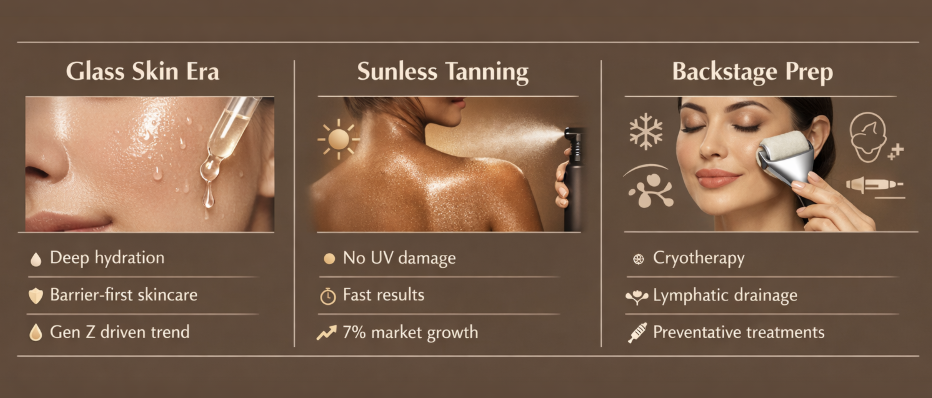
The Market Dominance of Dermal Hydration
Beyond couture, the primary aesthetic benchmark for the modern red carpet is "glass skin"鈥攁 trend that prioritizes high levels of dermal hydration to create a reflective, translucent finish. This movement, rooted in K-beauty principles, has fundamentally shifted consumer behavior away from matte finishes and toward "sheen" results.
The glass skin trend relies on a multistage regimen of hydrating serums and toners, but its primary economic impact is found in the "preventative" category. By emphasizing a healthy skin barrier and UV protection, the trend has captured a younger demographic鈥攕pecifically Gen Z consumers鈥攚ho view skincare as a long-term capital investment in their appearance rather than a temporary fix.
Consequently, the focus has pivoted toward long-term dermal health, treating the complexion as a vital asset that requires strategic, multilayered management rather than superficial coverage.
Prioritizing Dermal Integrity via Sunless Tanning
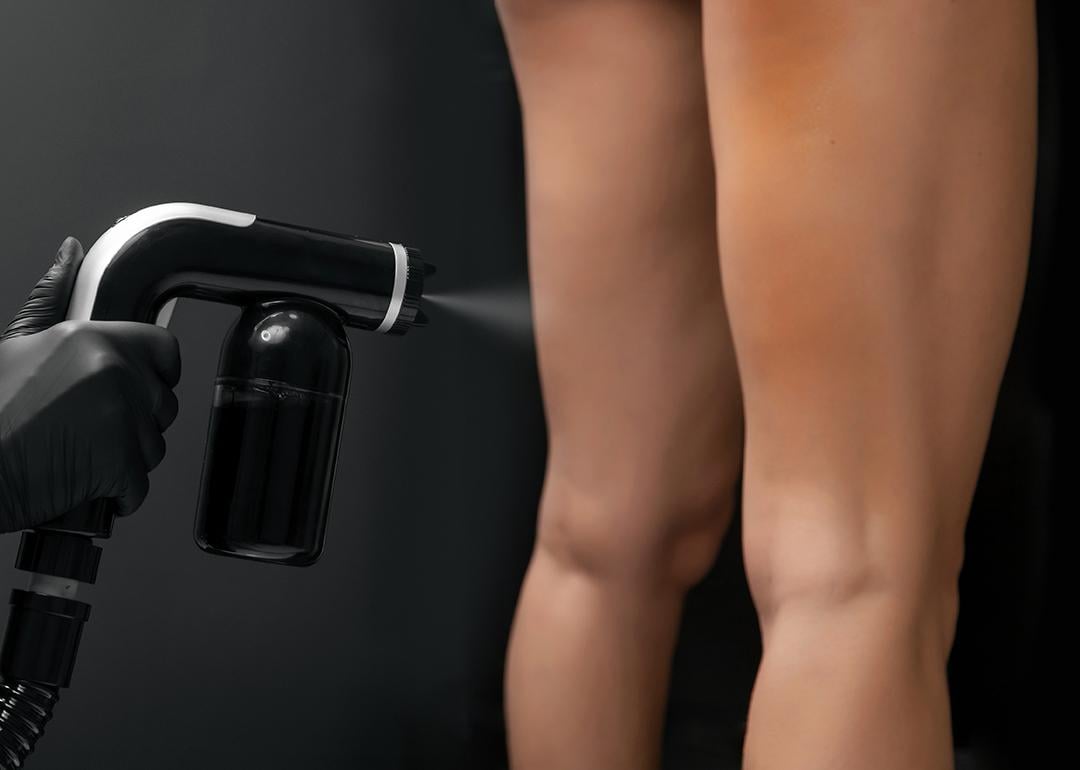
The movement toward "glass skin" has also triggered a significant shift in the tanning sector. As high-profile stars increasingly avoid the accelerated aging and DNA damage associated with UV exposure, sunless tanning has become the operational standard for achieving a "camera-ready" glow.
Average consumers now spend more on sunless tanning, with the market growing at . Award show appearances and glowing skin in the movies aren鈥檛 solely responsible. This growth is driven by the speed of results鈥攁 "social media-friendly" efficiency that allows consumers to achieve aesthetic benchmarks without the weeks of exposure required by traditional methods. This shift treats the "tan" as a temporary, nondamaging cosmetic application rather than a result of solar radiation.
By treating the "glow" as a manageable variable rather than a product of environmental exposure, the industry has successfully decoupled the aesthetic of the tan from the hazards of radiation.
Cryotherapeutic Interventions and Lymphatic Drainage
To combat "utilization fatigue"鈥攖he physical puffiness caused by travel and high-stress schedules鈥攃elebrity stylists are increasingly turning to low-temperature interventions. This process, often referred to as "skin icing" or cryotherapy, serves as a high-efficiency primer for subsequent product application.
While professional cryofacials are common, the trend has trickled down to sustainable at-home solutions, such as reusable cooled eye masks and full-face immersion techniques. These methods utilize thermal shock to induce vasoconstriction, reducing inflammation and tightening the skin鈥檚 appearance instantly. For the consumer, these methods represent a low-cost, high-impact entry point into professional-grade prep routines.
The Normalization of 鈥楶rejuvenation鈥� and Minimally Invasive Procedures
It is impossible to evaluate award season aesthetics without addressing the role of cosmetic surgery. According to a report, the rise of "prejuvination" (neuromodulator and soft tissue filler procedures) has seen a surge in patients in their 20s and 30s seeking preventative treatments.
The industry is also seeing a dissolution of the gender divide regarding these procedures. Market reports suggest that minimally invasive treatments, such as microfillers and neuromodulators (Botox), are increasingly utilized by male stars to manage sagging skin and maintain facial volume. This normalization suggests that cosmetic intervention is no longer viewed as a "last resort" but as a standard maintenance requirement for public-facing professionals.
Future Outlook: The Access Economy of Beauty
While red carpet invitations are limited to an elite few, the data suggests that the "red carpet look" is being democratized through retail accessibility. The move toward sunless tanning and high-science skincare reflects a broader consumer shift toward health-conscious aesthetics.
As transparency around cosmetic surgery increases and "sunless" technology continues to improve, the beauty industry鈥檚 reliance on award season as a marketing catalyst will only strengthen. For the modern consumer, the question is no longer about achieving "luxury" beauty, but about utilizing data-driven treatments to maintain dermal health in an era of constant digital scrutiny.
was produced by and reviewed and distributed by 黑料社.