
Americans are going no-contact, but they still crave connection
Lately, experts have been sounding the alarm about a 鈥渓oneliness epidemic.鈥� The concern is that our devices have driven us away from each other, and that social media has made humans less social than ever before. In 2023, the issued warnings about our growing isolation, comparing the lack of connection to the health risks of smoking 15 cigarettes per day.
Key Takeaways
- Nearly half of Americans (47%) feel lonely on a typical day, and 1 in 3 say they feel less socially connected than they did five years ago.
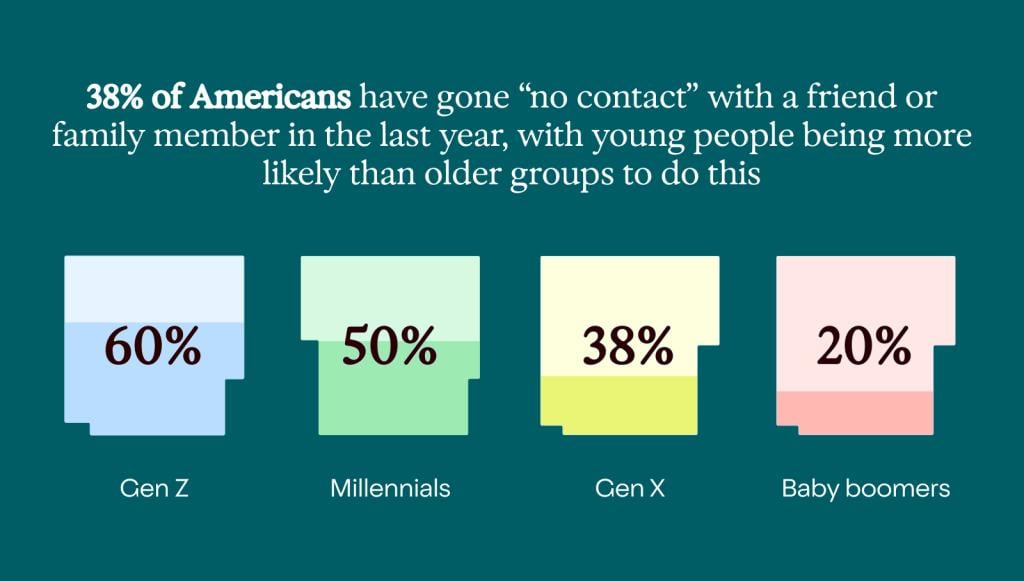
- 38% of Americans have gone "no contact" with a friend or family member in the past year, with Gen Z (60%) and Millennials (50%) leading the trend, often citing disrespect or negative impacts on their mental health.
- Most people choose self-checkout, online ordering, and chatbots to avoid human interaction, and 40% would rather cross the street than stop to chat with someone they know.
- Therapy can help identify personal barriers to connection, navigate relationship challenges, and find a greater sense of belonging in your community.
People have proposed different causes for modern , from the post-COVID-19 trend toward remote work to political polarization leading people to distance themselves from those who don鈥檛 share their views. To understand if people鈥檚 experiences reflect this, sponsored a in April 2026 to learn about the state of their relationships.
The conclusion? People crave connection, but many are struggling to make and maintain supportive and satisfying . An alarming 47% or respondents say they experience loneliness during a typical day, and more than 1 in 3 (34%) confessed they feel less socially connected to others in their lives now, compared to five years ago.
Why Americans are going 鈥渘o contact鈥�
One potential reason for this surge in disconnection is that we鈥檝e become quick to cut people off. The survey discovered that a startling 38% of Americans have gone 鈥渘o contact鈥� with a friend or family member in the last year, with young people more likely than older groups to have cut someone out of their lives (60% of Gen Z, 50% of millennials, 38% of Gen Xers, and 20% of baby boomers). More than a third of respondents (36%) have blocked a friend or family member on social media in the last year, and 30% have removed a loved one from a group chat in that same time frame. Nearly 3 in 5 respondents (59%) who鈥檝e cut off connection with a loved one in the last year said they are still not in touch with that person.
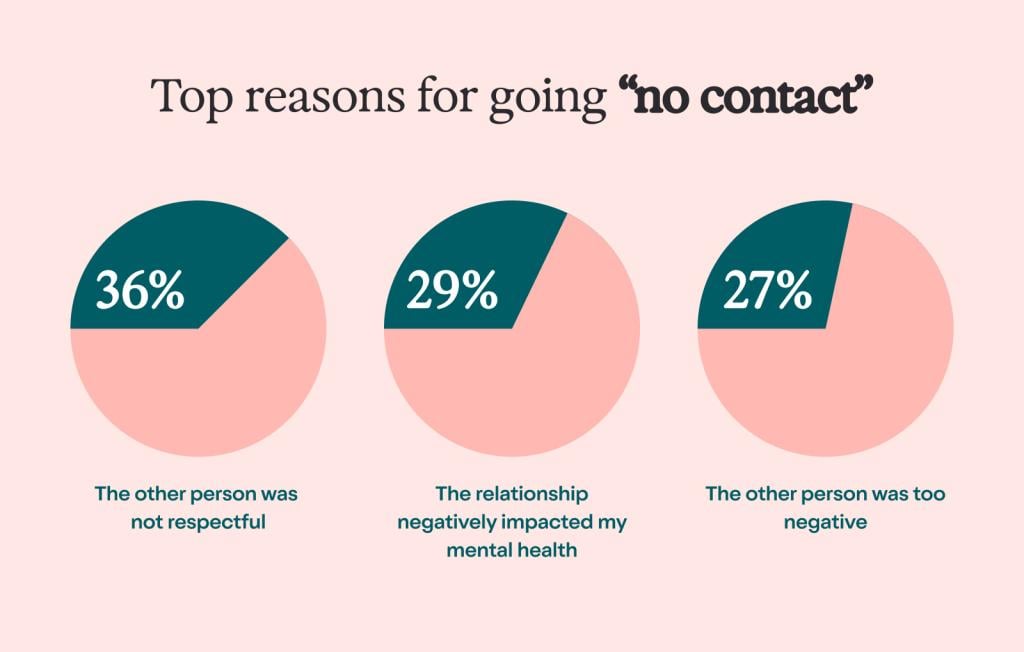
What leads to these relationship ruptures? The top reason for going 鈥渘o contact鈥� with someone was a lack of respect from the other person (36%). Other motivations cited: The relationship negatively impacted their mental health (29%) or the other person was too negative in general (27%). These explanations for eliminating a former friend or family member from one鈥檚 life may reflect society鈥檚 increased focus on mental health, which can include drawing boundaries and 鈥減rotecting your peace鈥� by cutting off contact with anyone who threatens your mental well-being.
Choosing rupture over repair
While removing harmful people from your life can be healthy and necessary, there鈥檚 a case to be made that some relationships should be repaired鈥攂ut people need the tools to communicate their needs, and forgive or seek forgiveness. The survey found that nearly 3 in 4 respondents (73%) feel inclined to distance themselves from a friend or loved one when they experience difficult moments in the relationship, rather than openly communicating to problem solve.
The social costs of convenience
Another reason for the rise in loneliness is less about conflict and more about convenience and an impulse to reduce everyday interactions. People said when given the choice, they will use self-checkout kiosks (64%), autonomous taxis (24%), online ordering (68%), and chatbots/automated help systems (42%) when they鈥檙e available, in order to reduce their interactions with others.
Thirty-seven percent of participants confessed they鈥檇 prefer to pretend to take a phone call, rather than having two minutes of small talk with a stranger. And 40% admitted they鈥檇 rather cross the street to avoid someone they know, rather than stopping to chat for five minutes. By the data, Gen Z was the age group most likely to avoid talking to people鈥攈aving grown up online, they may be less comfortable with casual in-person interactions.
What people crave in relationships and community
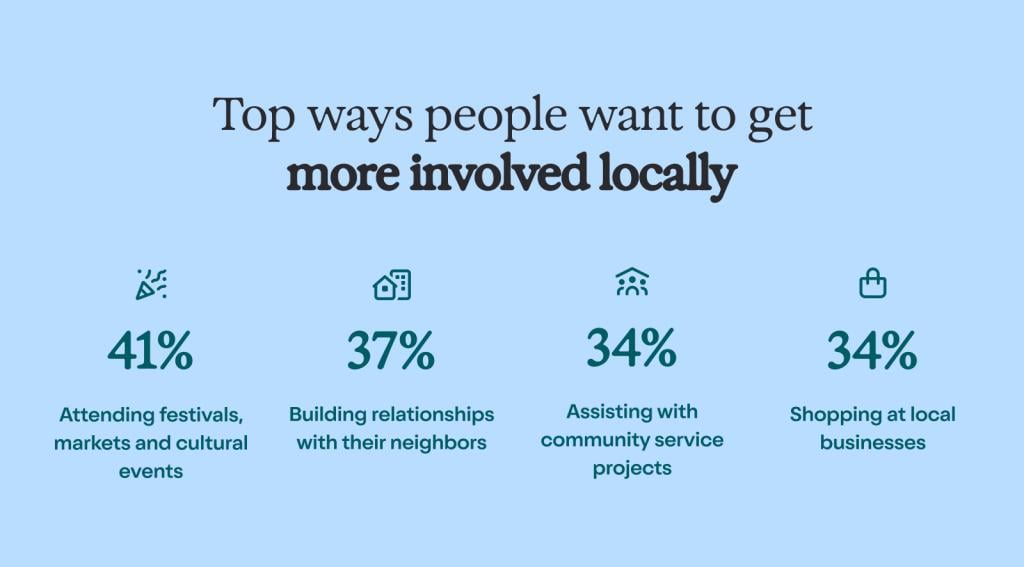
Given these survey results, it鈥檚 unsurprising that about 7 in 10 participants (68%) said they struggle to build in-person connections. But they do crave it: 31% said that they want to get more involved in their communities. Top ways people say they want to get more involved are by attending local festivals, markets and cultural events (41%), building relationships with their neighbors (37%), assisting with community service projects (34%), and shopping at local businesses (34%).
As for what they鈥檙e looking for in healthy relationships, respondents said they want to feel safe enough to voice their thoughts and opinions (47%), experience mutual celebration of each other鈥檚 successes (41%), feel seen and understood (41%), have consistency and reliability in the relationship (41%), and respect boundaries (41%).
Belonging grows through therapy
One way people can find and sustain such healthy relationships: going to therapy. While you might think of therapy as focused on individual mental health, the fact is that when someone is in therapy, their relationships with others can improve too, whether that鈥檚 one of their or just a happy side effect.
was produced by and reviewed and distributed by 黑料社.