The social pressure pandemic: Teens, body image and the surge in eating disorders
The social pressure pandemic: Teens, body image and the surge in eating disorders
The socioeconomic landscape for Gen Z and Gen Alpha has undergone a noticeable shift since 2020. We already know how the pandemic disrupted schools and first jobs, but a secondary, more persistent health crisis is now coming into focus. Beyond the broad economic headlines, the data is signaling a sharp surge in behavioral health struggles鈥攕pecifically in how adolescents are handling the mixture of social and academic pressure.
At the center of this is the rising prevalence of eating disorders. It鈥檚 a trend that reflects a compounded risk profile for today鈥檚 teenagers, one where old-school peer pressure is supercharged by algorithmic tech and a hyper-competitive 鈥渁lways-on鈥� academic culture.
Treatment provider takes a look at the data behind this shift and why this 鈥渟ocial pressure pandemic鈥� is finally starting to lose its invisibility.
Rising Diagnoses
The phenomenon of rapid increases in eating disorders is both national and global. Data from shows that in the wake of COVID-19, prevalence among 6- to 18-year-olds rose by approximately 40%. Eating disorders can not be discussed without mentioning that they have one of the highest mortality rates of all psychiatric diagnoses.
At the population level, around 7.8% of people have an eating disorder. Among those aged 18 and under, the proportion is 22.36%, and it is continuing to grow. According to a 2025 , health care utilization for eating disorders increased by 54% during the pandemic. Public health researchers estimated that in 2025, there were roughly 250,000-300,000 encounters related to eating disorders among adolescents aged 12-18 in the U.S.
Another impact of this trend is that there is greater demand for dedicated treatment for anorexia nervosa and bulimia nervosa. Data from treatment providers confirms a surge in patient admissions, highlighting the operational strain on recovery services as they scale to meet this demographic shift. Treatment centers are stepping in to meet this demand. However, it鈥檚 clear that while tackling eating disorders on an individual level is possible, the broader social pressure exerted upon teens must be addressed with a wider response.
Rampant Peer Pressure
Peer comparison drives eating disorders, and has been doing so for decades. However, teens are now exposed to a vastly more intense form of this, with social media acting as a lightning rod for all their insecurities and anxieties around body image.
Seeing idealized posts from friends is bad enough. The pervasiveness of influencer culture, where unrealistic standards are the norm and a lack of regulatory oversight compounds the problem, exposes vulnerable young people to content that catalyzes the spread of eating disorders.
Again, there is clear evidence to support this. Internal testing from Instagram parent company Meta, as , indicated that algorithmic recommendation engines disproportionately serve 鈥渆ating disorder adjacent鈥� content to users with pre-existing body image concerns, accounting for 10.5% of the content shown to them, compared with 3.3% for teens who are happier with their bodies.
Eating disorder adjacent content is not the only harmful content social media algorithms push towards children with body image issues. The collective proportion of potentially damaging content in their feeds accounts for 27% of the total, again according to Meta鈥檚 own testing. Their more self-assured peers are exposed to just 13.6% by comparison.
Social media usage has its own relationship with body image concerns. Teens using these platforms or more are at the greatest risk of developing body dissatisfaction and dysmorphia (BDD). It is important to note that roughly 1 in 3 people with body dysmorphia will also develop an eating disorder. The correlation between high-platform usage and clinical symptoms is increasingly documented.
Stress and Academics
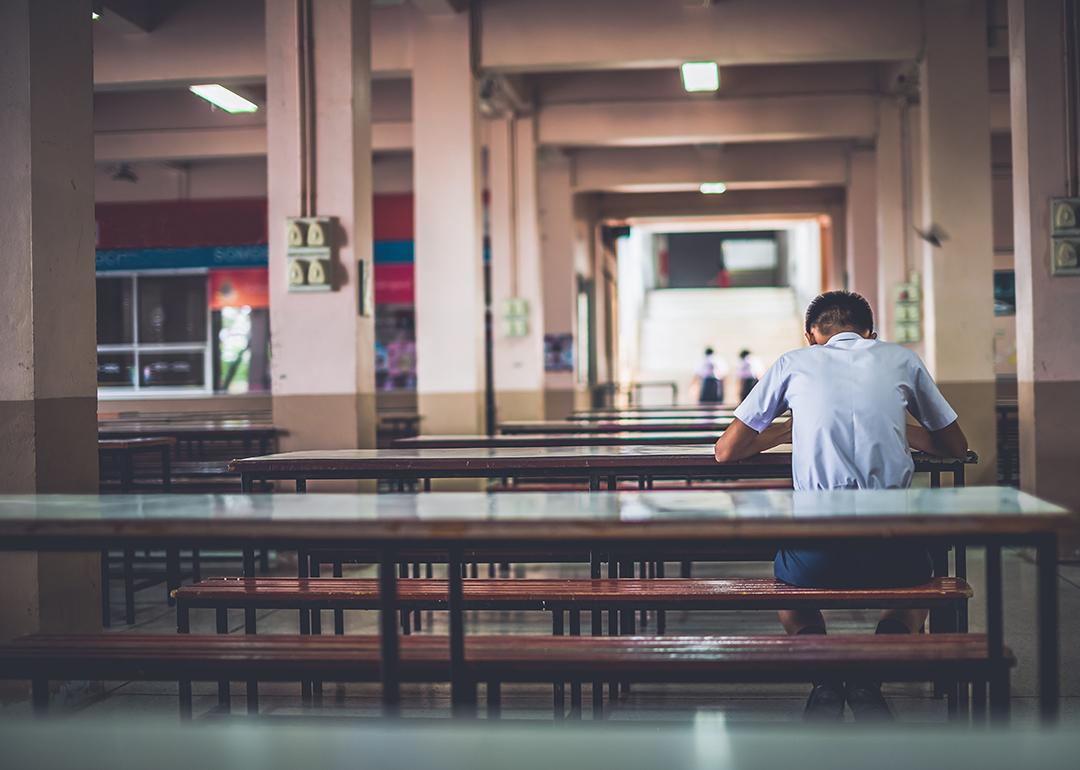
Outside of social media and influencer culture鈥檚 hold over eating disorder trends, there鈥檚 also a correlation between the social pressure of expected academic excellence and dietary dilemmas. Students face continuous performance pressure throughout their educational careers. Now that the job market is even more competitive post-graduation, this pressure ratchets up higher.
Again, there鈥檚 . Nineteen percent of students sit at the highest end of the perceived stress scale (PSS), and their food intake suffers as a result. Poor dietary choices and disordered eating behaviors are disproportionately prevalent in this group. Moreover, 65% of students exhibit moderate stress, so there鈥檚 clear pressure felt by the majority, even if the minority have proven eating issues as a result.
Addressing an Invisible Pandemic
It鈥檚 apparent that the proliferation of eating disorders, especially since 2020, has serious implications for young people today, and for society as a whole, as they move from education into the world of work and beyond. Conditions such as anorexia and bulimia pose both acute health problems and leave longer-term marks, influencing everything from mental health to fertility. Failing to contend with this modern phenomenon is not an option.
Given the circumstances surrounding the rise in body image issues and disordered eating, there can be no silver bullet solution. Regulation of social media, particularly algorithmic content recommendations, is increasingly necessary. Legislative responses, such as the enforced age-gating in Australia and the proposed 鈥渄uty of care鈥� standards in the UK, represent a global shift toward platform accountability.
Academic stress is a niche-specific problem that can hopefully be managed sensitively by the institutions involved. Although again, top-level regulations could prove the best option here.
Whatever action is taken, paying close attention to the data when changes get rolled out is just as important. This is the only way to ensure that teen eating disorders don鈥檛 continue to climb.
was produced by and reviewed and distributed by 黑料社.