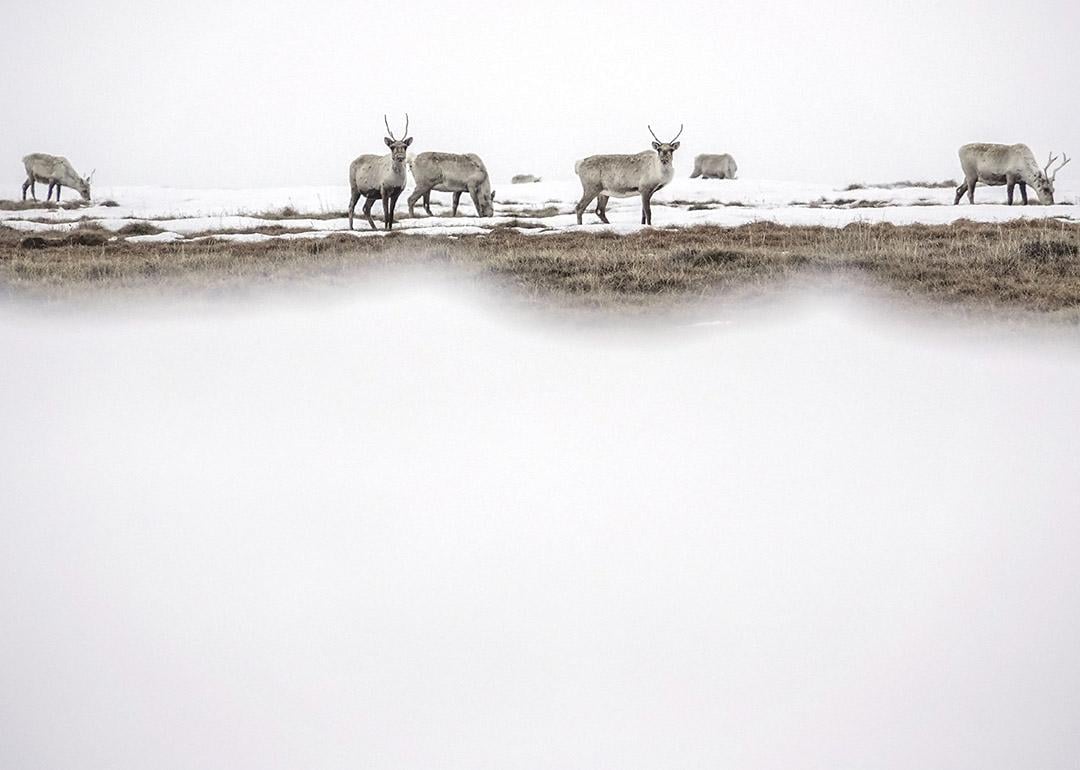
The administration's plan to rubber-stamp drilling in the Arctic
The Trump administration wants to speed up the permitting process for oil and gas projects in Alaska, using a proposed regulatory shift that has major implications for the Western Arctic.
In a May 15 announcement reviewed by , the Bureau of Land Management (BLM) shared what it called 鈥渁 new effort to streamline permitting for oil and gas infrastructure鈥� in the 23-million-acre National Petroleum Reserve鈥揂laska (NPR-A). The Department of the Interior鈥檚 move comes in direct response to a , the Alaska Oil and Gas Association (AOGA).
On Friday, May 15, U.S. Secretary of the Interior Doug Burgum described the gist of what the government has in mind, : the remote, still-snowy landscape of the NPR-A itself.
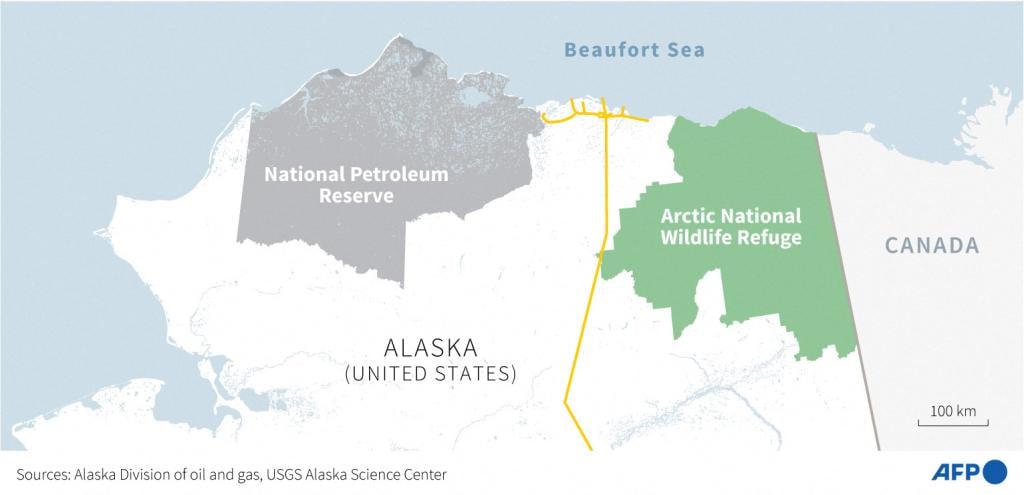
Bundled against the cold over a chyron that said 鈥淎laska鈥檚 Crude Comeback,鈥� the pair were near the site of the Willow project, a huge effort led by ConocoPhillips鈥攁pproved by the Biden administration and upheld by a federal judge after several years of battles鈥攖hat, by 2030, is projected to extract up to 180,000 barrels of oil per day from the far northeastern portion of the NPR-A. A limited amount of drilling is already underway on NPR-A land; the Trump administration intends to open it up for a lot more, and it wants things to happen fast.
鈥淸Y]ou just made a big announcement about deregulation, specifically, about [permit] streamlining,鈥� Brennan said. 鈥淲hat goes into that, and how quickly does that now mean we can see more production online?鈥�
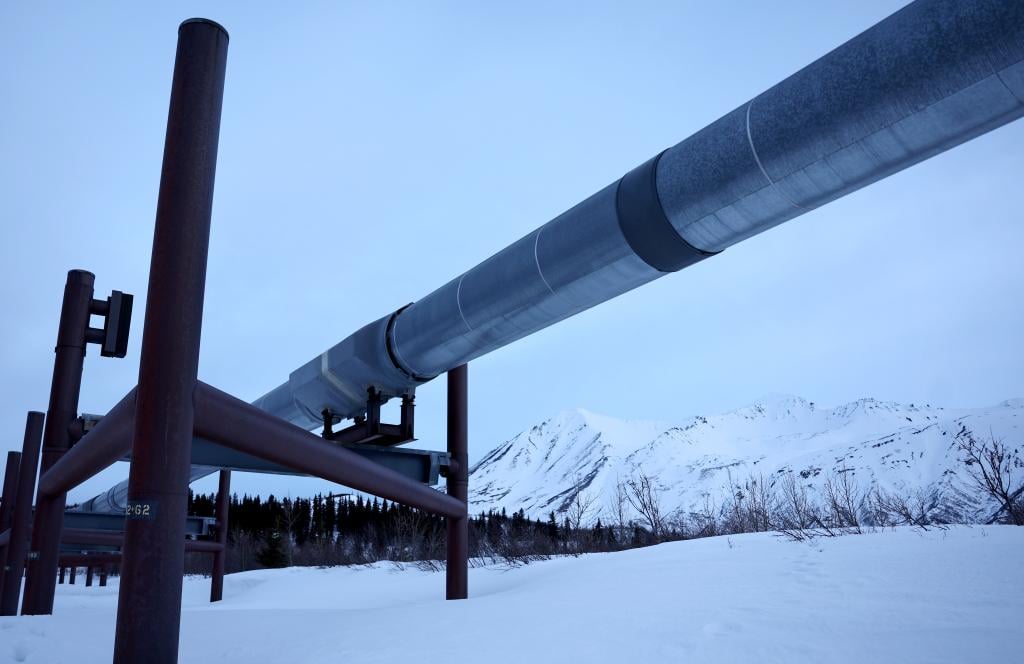
Burgum鈥檚 lengthy answer took viewers through various goals that could affect this part of the North Slope鈥攊ncluding the NPR-A and, roughly 80 miles to the east, the Arctic National Wildlife Refuge (ANWR). The bottom line was this: The administration is trying to short-circuit the lengthy process of environmental review that鈥檚 required before new drilling can begin on land that the BLM has opened for potential development through lease sales. (ConocoPhillips acquired the first of its Willow-area leases in 1999. The permitting process didn鈥檛 formally start until 2018; final approvals happened in 2023.)
鈥淎s development is occurring here, at [the Willow] site, we鈥檝e got a problem,鈥� Burgum said. 鈥淧ermitting from the federal government is slow, but in Alaska, for some reason 鈥� it takes two or three or four times longer to get something permitted. We need to get that down to the same standards we have in the Lower 48.鈥�
Burgum mentioned North Dakota, New Mexico, and Pennsylvania as examples鈥攍andscapes that are very different from the Willow site, which sits on sensitive wetlands.
Burgum said that the environmental impact statements required by the National Environmental Policy Act (NEPA) should no longer be mandatory for every new project. Instead, the government should be allowed to extend 鈥渆xisting reviews.鈥�
The administration maintains that EISs done for a site like Willow should also be applicable to other sites in the region鈥攖he logic being that they鈥檙e similar enough that new EISs are redundant. This goal is that was submitted to the Interior Department by AOGA.
Specifically, AOGA is asking that a portion of the federal code鈥�43 C.F.R. part 3160鈥攂e amended to allow 鈥渁 uniform and efficient process to approve production projects similar to those that have already been approved in the NPR-A and adjacent lands.鈥�
The petition includes a 45-day public comment period before the Interior decides on whether to adopt the proposed new system. Once that period is over, the chances of approval seem quite high, given the way Interior is now staffed.
Kara Moriarty, the current senior advisor for Alaska affairs鈥攁 role that puts her in the middle of reviewing this petition鈥攚as the president and CEO of AOGA before joining the Trump administration in May 2025. The petition itself was signed by Steve Wackowski, who, during the first Trump administration, held the same job Moriarty now has.
Erik Grafe, an attorney with the Alaska office of the environmental group Earthjustice鈥攚hich challenged the Willow project in court鈥攕aid the new regulatory proposal is 鈥減art and parcel鈥� with actions taken since the start of Trump鈥檚 second term.
鈥淭he Western Arctic is the place that has the most industry interest, and the administration is going all out,鈥� he said. Trump鈥檚 initial round of executive orders included one he issued on Jan. 20, 2025, called Unleashing Alaska鈥檚 Extraordinary Resource Potential. It instructed Interior to roll back a management plan that laid out which zoned areas in the NPR-A could be opened for oil and gas extraction.
鈥淭hey opened up sensitive areas that had been closed for decades,鈥� Grafe said, including one called Teshekpuk Lake, a famous wetland that鈥檚 considered a vital nesting area for migratory shorebirds, geese, and other waterfowl.
In a press release, The Wilderness Society torched the proposed change, calling it 鈥渁 destructive wish list that would essentially hand over the Western Arctic to the oil industry.鈥�
鈥淚t would be beyond reckless and irresponsible for BLM to turn over the keys to the Western Arctic and virtually walk away,鈥� said Matt Jackson, Alaska senior manager for the group. 鈥淣ot only would this proposed rule deprive the public of input over giant oil projects, but it would also turn a blind eye to environmental and public health impacts, putting clean water, wildlife habitat, and subsistence resources at risk while stripping the government鈥檚 ability to hold companies accountable for things like oil spills, wildlife impacts, or rig collapses.鈥�
Also of note is the small amount of time that passed between . Federal rulemaking normally takes years鈥攂ut when Alaska鈥檚 oil and gas industry formally petitioned for streamlined Arctic drilling permits, the government鈥檚 response was posted only three days later. The similarities between the BLM鈥檚 prepublication Federal Register notice and the petition鈥檚 regulatory goals and structure are striking, suggesting that the two documents were developed in parallel rather than in sequence.
鈥淕iven the timing of the announcement, less than three days after the petition was submitted by AOGA,鈥� Jackson said, 鈥渢he public is left to wonder if this is a coordinated effort to grant [the] industry a wishlist of their demands.鈥�
The National Petroleum Reserve was established in 1923, one of several such reserves created for emergency use by the U.S. Navy. During the oil shortages of the mid-1970s, Congress passed the Naval Petroleum Reserves Production Act, which transferred jurisdiction over NPR-A from the Secretary of the Navy to the Secretary of the Interior.
In March of this year, the BLM, which manages NPR-A, opened oil company bids in a massive lease sale across 5.5 million acres of the total 18.7 million acres鈥攎ore than 82% of the reserve鈥攖hat is now open to oil and gas leasing, exploration, and development. Earthjustice is currently part of a federal lawsuit filed against the government challenging the lease sale and the underlying plan that opened up most of the reserve to drilling.
It鈥檚 likely that the kind of radical change to the environmental review process that the Interior now seeks would also be challenged in court. As for ANWR, no drilling is currently underway there, but ANWR leases have been sold in the past, and the results of a new round of lease bidding are scheduled to be announced on June 5.
was produced by and reviewed and distributed by 黑料社.