Meet a millionaire who wants Canada to tax the rich
Meet a millionaire who wants Canada to tax the rich
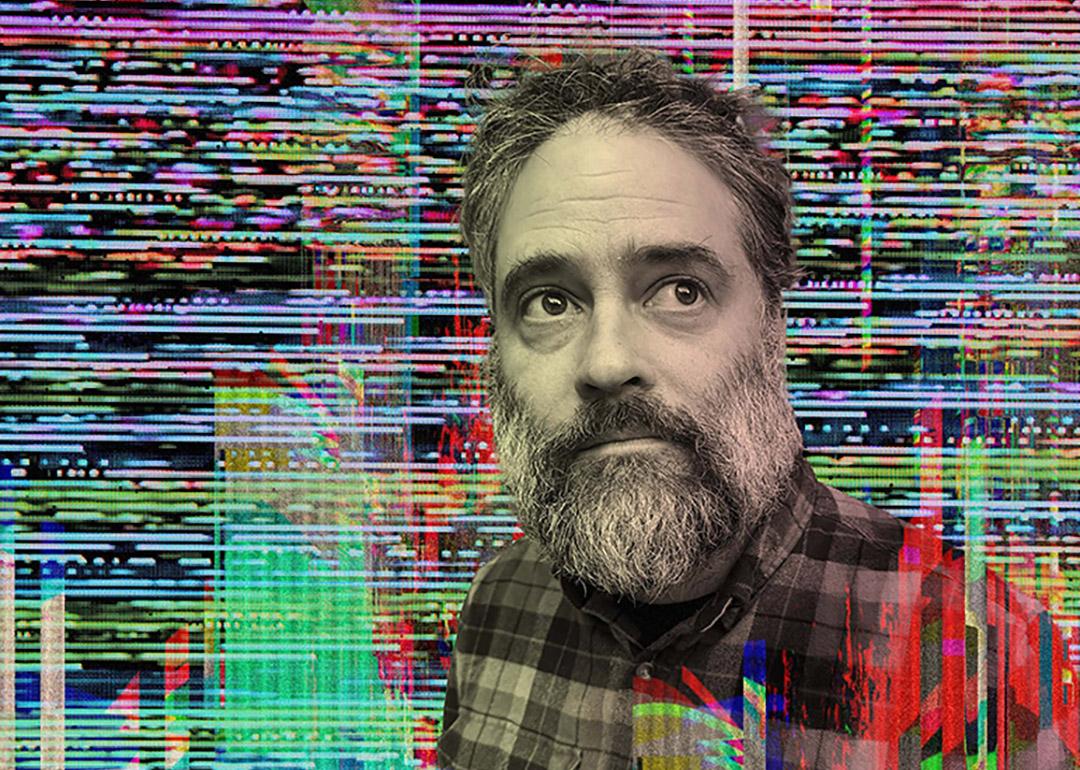
Avi Bryant grew up in a middle-class neighborhood in Vancouver. By the time he was 30, he was well on his way to becoming a millionaire.
He calls his path 鈥渟heer luck鈥� 鈥� but it鈥檚 more nuanced than that. Bryant got lucky, sure, meeting the right kinds of friends and acquaintances (executives at Twitter, for example) at the right times. He also made good business and financial choices, including taking stock options in lieu of some of his pay while at Stripe, which eventually propelled him into the so-called 1%.
Now, instead of kicking back and sipping martinis with the economic elite, he鈥檚 joined a growing chorus of wealthy individuals calling for nations to stop catering to the ultrarich. In fact, he says, Canada needs to tax the rich more 鈥� a lot more.
Doing so could change the lives of all Canadians, he says, and help the country accelerate its transition away from fossil fuels. With more tax dollars at its disposal, the federal government would be in a position to make major investments in electrification, solar projects, and more.
Enter the Patriotic Millionaires, a newly registered federal lobbying group that Bryant belongs to, which is advocating for changes to the country鈥檚 tax regime.
From his home on Galiano Island, B.C., Bryant told why he believes Canada needs to target its wealthiest citizens, and some of what it can do with the proceeds.
This interview has been edited for length and clarity.
Can you tell us about yourself? Did you grow up wealthy?
We were kind of typical middle class. I certainly did not grow up in a wealthy household. At the same time, I grew up in what felt like a very privileged household where there was lots of education, lots of books around, lots of support, [and] a very safe neighborhood with lots of resources. I didn鈥檛 grow up in anything that felt like poverty or lack of privilege, but it certainly was not wealth.
I ended up doing a computer science degree at [the University of British Columbia] and got into the tech world after graduating, starting a small company in Vancouver. We鈥檙e talking early 2000s, kind of post-dot-com bust. I made a lot of connections with a lot of people who turned out to be useful people to know. In 2010, we ended up selling the company to Twitter, which was starting out at that time. That considerably changed our financial situation. It also meant that we moved down to San Francisco for a couple of years and made a lot more connections.
Someone who I had met in Vancouver, in those early startup days, I got to know a lot better when we were in San Francisco: Patrick Collison, who started a company called Stripe. I joined Stripe in early 2013, when that company was still, again, very small. I mean, it was 40 people or something at that point. That company then grew to be thousands of people and worth hundreds of billions of dollars. As an early employee, I had effectively been an early investor, and that was just sheer luck. There was no way to predict that my tiny percentage of Stripe was going to end up being worth a large amount of money.
I left Stripe in 2019, feeling like [my wife and I] had this responsibility to do something with our time and resources that was not just motivated by profit and commerce, that was more about having an impact on the world.
Why do you want to be taxed more?
Society is better off if everyone has their basic needs met, and I see that as a function of government. Obviously, Canada has lots of social services 鈥� but I believe the government can and should be doing more 鈥� and that鈥檚 going to require more money. I think the obvious place to get that money is from taxing people who have a lot of it.
[It鈥檚] about the marginal utility of money: if you鈥檙e living on $20,000 a year and you lose 10% of that, you鈥檙e losing $2,000 鈥� that鈥檚 a big deal. If you鈥檙e living on $3 million a year and you lose 10% of that, you鈥檙e down $300,000. So what? It鈥檚 not going to change your lifestyle.
We do have progressive taxation. We increase the percentage you鈥檙e taxed as you make more, but the top bracket starts at around $260,000. So we don鈥檛 distinguish between someone who鈥檚 making a quarter-million a year and someone making $2.5 million a year, or $25 million a year. Those situations are very different.
From my point of view, there鈥檚 an obvious opportunity to increase taxes on the people who are making millions of dollars a year. There鈥檚 also an opportunity to increase taxes on people who hold scarce, valuable resources. Land is the obvious one here. If we鈥檙e using land so someone can have a beautiful, 200-acre waterfront estate 鈥� I mean, fine, but let鈥檚 tax the s--t out of it.
I think we have an opportunity to do that without particularly changing people鈥檚 lifestyles. It鈥檚 not going to make them move out of the country. That鈥檚 just not going to happen. They鈥檙e here because they want to be here. I鈥檓 here because I want to be here. I can afford to pay a lot more in tax than I do without changing my lifestyle, and that money can be used to improve the lives of other Canadians.
You touched on the typical argument against this idea. If Canada puts those things into place 鈥� vacation home taxes and other types of taxes targeting the wealthy 鈥� then those people will just take their money and go elsewhere. What would you say to that?
The only other thing I would say is good riddance. Ultimately, for the handful of people who鈥檇 say, 鈥淚f you raise taxes on the wealthy, I鈥檓 going to move to Barbados,鈥� 鈥� it鈥檚 like, okay, fine. Like: bye, Felicia.
Canada is a wonderful place to live. I could live anywhere I want. This is where my family chooses to live, because we truly believe that this is the best place to be living. And that鈥檚 true whatever the tax rate is.
Do you think this proposition, that the government adjusts its tax systems, would create benefits for climate and ecosystem health?
One of the functions of government is to do large-scale investment, often infrastructure investment. I think climate is one area we can and should be making large-scale investments. We should be taking a page from China鈥檚 book and building very large-scale solar power plants to shift [the] load away from fossil fuel plants. We should be investing in more efficient transportation, like train networks. We should be electrifying as quickly as we can 鈥� because we have to.
The key climate fight here is we know how to transition our electrical production off of fossil fuels. But we also need to shift the demand for things that are currently not electric to electric 鈥� and transportation is a big piece of that. Obviously, electric cars have been successful. But trucking, marine, aviation 鈥� These are all things that currently depend heavily on fossil fuels. I very much see that as a government function, making investments in shifting those loads from fossil fuel to electricity.
So by taxing the rich, you add more money into the government鈥檚 capability to invest in infrastructure, which it can allocate as subsidies and investments to support climate mitigation projects?
Exactly. I think we should be taxing the rich, and we should be using that money to invest in, broadly speaking, electrification projects. From a climate point of view, I think that鈥檚 the best thing we can be doing 鈥� and just doing everything we can to move off of oil. Alberta is going to fight us tooth and nail, but let鈥檚 find a way to transition that economy to a renewable economy. If we have to sink a lot of federal money into it, that鈥檚 worth doing, because our dependence on fossil fuels is bad for everyone.
Do you think philanthropy plays a role in solving these bigger existential problems?
I do. With the government, we鈥檙e kind of entrusting all of our collective money, and the government, as a result, tends to be quite risk averse. The government doesn鈥檛 want to put a lot of capital into something that might fail, and they get blamed, and they won鈥檛 get reelected or whatever. I think that caution is actually quite appropriate with public money, but at the same time, when they do decide it鈥檚 worth doing something, they can do it on a very large scale.
I think philanthropy can be the other side of that coin, which is to say, individual philanthropists can take risks with their money and explore ideas that are not as proven. And then, hopefully, having proved some of them right, the government can come in and scale that up. So I think that鈥檚 worthwhile. That said, does that philanthropy need to be tax deductible? I don鈥檛 really think so.
Who are the Patriotic Millionaires?
is an organization that began in the U.S. It鈥檚 a very focused advocacy organization of people who have wealth who are asking for higher taxes on people who are wealthy. [They] opened a sort of sister organization in the U.K. and last year opened a Patriotic Millionaires in Canada. My wife and I are both members, and she is now on the board.
I can see some opposition from powerful minorities, but I think most people can get behind the idea of everyone paying a fair share.
And yet the that was on the table for former Prime Minister Justin Trudeau came off with Prime Minister Mark Carney. Speaking for myself, not the organization, we need to understand why that is. It seems to me the loud minority won that fight. I don鈥檛 understand the politics there, but I think that in order to figure out what to do next, we need to understand.
I was listening to a , of all things, about tariffs and the economy, and this idea that we need to tax the wealthy more. They put it in this framing of 鈥渏oin us.鈥�
Like, 鈥淵ou guys are off in this little corner and having to hide your money and put it in all these different places and do these different things to avoid being like the rest of us. Come be like the rest of us; join us.鈥� I鈥檓 curious about your thoughts on that.
One part of our story is that wealth was a relatively new thing for us, and there was a period of a few years where we were really trying to hide from our friends and neighbors how wealthy we were. There鈥檚 kind of a social norm there, right? You don鈥檛 talk about money. And the dissonance there was so hard.
It feels so much better to be much more open about this with people 鈥� and, yeah, to join them. We live on Galiano Island: it鈥檚 a small community; it鈥檚 a tight community. It鈥檚 much better to have those close relationships with people in honesty and solidarity.
was produced by and reviewed and distributed by 黑料社.